Simple, sustainable, and science-backed. A gentle return to the habits that actually move the needle.
We’re halfway through the year and I want to check in with you.
Not in a "how are you tracking toward your goals" kind of way. More like a friend asking: how are you actually feeling? Are you sleeping? Are you eating in a way that supports you? Are you moving your body in a way that feels good? Are you slowing down at all?
If the answer to any of those is "not really," you are not alone, and you do not need to start over.
You need a mid-year reset. It is something I do every year. Not a dramatic detox or cleanse. Not an extreme overhaul. Just a quiet re-centering back to the foundational habits that make everything easier. The ones that are easy to let slide when summer is busy, the kids are home, routines disappear, and suddenly you realize you have been running on caffeine and good intentions for six weeks.
This isn’t about perfection. It’s about being intentional. About asking yourself a few honest questions and then making a few small shifts that add up to feeling significantly better by the end of summer.
Before You Start: A Few Questions Worth Sitting With
Pull out your journal or just sit with these for a few minutes. There are no right answers, just honest ones.
- How is my energy in the morning? Am I waking up rested or already rushing?
- Am I getting enough protein at every meal, or am I letting that slide?
- Am I actually sitting down to eat meals, or just grazing my way through the day with whatever I can grab?
- How many times this week did I eat a balancing Fab Four meal: protein, fat, fiber, and greens?
- Am I craving sugar or caffeine in the afternoon? Crashing at 3pm? What does that tell me?
- When did I last move my body outside?
- How is my sleep? Am I getting seven to nine hours, or am I sacrificing it for screen time?
- What is one thing I keep meaning to do for my health that I have been putting off?
- Where in my life do I need to slow down?
- When did I last do something just for me, with no agenda and no phone?
These questions are not meant to create guilt. They are meant to create clarity. You cannot course correct without knowing where you are starting from.
The Be Well Mid-Year Mini-Reset Checklist 2026
I organize this reset into four focus areas because habits are more motivating when you know why they belong and what they are doing for you. Pick one from each category to start and build from there.
Nutrition: Build the Plate That Holds You
- Start every morning with a breakfast that has 30+ grams of protein
- Aim to eat 0.8 to 1 gram of protein per pound of body weight daily
- Build every plate around the Fab Four: protein, fat, fiber, and greens
- Simplify meal times with protein prep
- Implement a 12:12 eating window
Movement: Build Strength, Not Just a Sweat
- Prioritize strength training two to three times per week
- Move outdoors every single day, even for just twenty minutes
- Find movement you love so you actually show up for it consistently
- Pair strength training with daily creatine and adequate protein
Recovery: Where the Real Progress Happens
- Get 7–9 hours of quality sleep per night
- Take Be Well Magnesium nightly to promote deeper, more restful sleep
- Take Be Well Creatine daily for brain energy, mood, and lean muscle preservation
- Use sauna 2 to 3 times per week, or a warm magnesium salt bath before bed if you do not have access
- Hydrate with at least half your body weight in ounces of filtered water plus electrolytes
Mindset: Slow Down on Purpose
- Slow down intentionally every single day
- Reduce screen time in the evening
- Practice daily gratitude
- Say no to one obligation this week that does not serve you
Nutrition: Build the Plate That Holds You
The goal is simple: eat in a way that keeps your blood sugar stable, your cravings quiet, and your energy steady. No restriction. No elimination. Just addition.
Start the Day with 30+ Grams of Protein
Your first meal sets the tone for the entire day. Prioritizing at least 30 grams of protein stabilizes blood sugar, reduces cravings, supports lean muscle mass and hormonal health, and creates a downstream effect of less hunger later in the day.
What does it actually look like to hit this goal? I make it easy in this article: How to Get 30+ Grams of Protein at Breakfast.
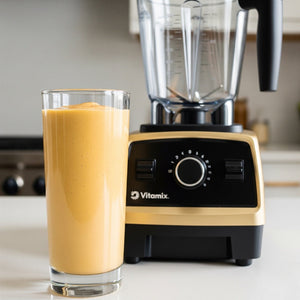
Be Well Tip: Protein smoothies are your best friend for a fast, easy, high-protein breakfast. I created Be Well Protein Powder when I wanted a super clean, blood-sugar friendly tool for effortlessly increasing protein intake and simply did not love the options out there. You can find Fab Four Smoothie recipe inspiration right here.
Eat 0.8 to 1g of Protein Per Pound of Body Weight Daily
Protein is crucial for metabolism, muscle repair, satiety, and hormone health, especially as we age. Eating .8 to 1 gram protein per pound of body weight daily supports a more favorable body composition, cuts cravings, and keeps energy stable.
Track your protein intake for a few days to understand your baseline and build meals around protein-rich whole foods like wild-caught fish, pastured poultry, and grass-fed beef.
As estrogen begins to shift in perimenopause, maintaining muscle mass becomes harder and more important at the same time. Adequate protein intake is one of the most impactful things you can do to protect your muscle, your metabolism, and your long-term strength.
More on my Protein Prep method below! It’s the easiest, least effortful, and most sustainable method that makes hitting daily goals actually easy.
Balance Blood Sugar Using the Fab Four
The Fab Four includes protein, fat, fiber, and greens. Each meal should incorporate all four elements to keep blood sugar balanced, prevent insulin spikes, and minimize cravings. This is the anti-diet way to eat: nutrient-dense, satisfying, and easy to build on the go. Food freedom at its finest.
Tools for mastering blood sugar balance:
- Be Well Protein Powder: your easy button to cutting cravings and feeling full
- Fab Four Fundamentals: a comprehensive video course
- The Fab Four Kitchen: my free YouTube series walking you step by step through family-friendly Fab Four recipes
Simplify Meal Times by Staying Ahead with Meal Prep Light
One of the most underrated wellness habits I have built over the years has nothing to do with a supplement or a workout. It is simply having protein ready in the fridge.
When I have prepped protein waiting, the decisions disappear. Lunch is a bowl with whatever greens and toppings are around. Dinner is a plate that comes together in ten minutes. Breakfast is eggs or a smoothie with something substantial alongside it. The mental load of figuring out what to eat three times a day is one of the most draining parts of trying to eat well consistently, and protein prep eliminates it almost entirely.
Protein Prep is the core of what I call Meal Prep Light. No elaborate systems. No color coded containers. No spending your entire Sunday in the kitchen. Just a few strategic proteins prepped at the start of the week that make every meal faster, easier, and more nourishing.
Here is what meal prep light looks like in practice:
- Pick two or three proteins based on your week. A busy week with evening activities means I lean on the fast options: a batch of ground beef, some hard boiled eggs, maybe a tuna salad. A slower weekend means I might roast a whole chicken and have salmon going in the oven at the same time.
- Let the oven and slow cooker do the work. While you are helping with homework, taking a call, or simply sitting outside for ten minutes without your phone, a whole roast chicken or a Mississippi Pot Roast is doing all the heavy lifting. This is not cooking. It is time management.
- Keep the sides simple. A sheet pan of roasted vegetables, a batch of 50/50 white rice and cauliflower rice, a simple green salad. These take five to ten minutes and round out any protein into a complete Fab Four plate without any extra thinking.
-
Stock your freezer strategically. Breakfast sausages, burger patties, meatballs, and Jesse and Ben's sweet potato fries are the freezer staples that turn a sparse fridge into a full meal in under fifteen minutes. When the fridge looks empty, the freezer saves dinner.
The goal is never perfection. The goal is a fridge with enough prepped protein that you can always build a Fab Four plate in under fifteen minutes without overthinking it. That is the version of healthy eating that is actually sustainable for a real family with a real schedule and a real life.
For my complete guide to protein prep organized by time, with every recipe, storage tip, and a full sample week of meals, read The Ultimate Protein Prep List here.
Follow a 12:12 Eating Window
Time-restricted eating can reduce inflammation, support metabolic health, and give your digestive system a chance to rest. I’m not talking about extreme measures that may throw your body out of balance. Just a gentle 12:12 window. For example eating breakfast at 7am and finishing your last meal by 7pm is a sustainable starting point that still allows for flexibility and social ease.
While more extreme forms of intermittent fasting have mixed results for women, particularly around hormone health and cortisol, a reasonable 12:12 window is a great way to let your digestive system rest without putting your body into a high-stress state.
Movement: Build Strength, Not Just a Sweat
Movement is not punishment. It is one of the most powerful tools you have for your hormones, your metabolism, your mood, and your longevity.
Prioritize Strength Training 2 to 3 Times Per Week
If there is one non-negotiable I want to add to this year's reset, it is this: lift something heavy, consistently.
Strength training is one of the most powerful interventions available for women in their thirties, forties, and beyond. It builds and preserves lean muscle mass, which directly supports your metabolism, insulin sensitivity, bone density, and energy. It is also one of the most effective tools for managing the mood and body composition shifts that come with perimenopause.
You do not need a gym membership or a complicated program. Two to three sessions per week of resistance training, whether that is dumbbells at home, a Tonal, a class, or barbells, is enough to make a meaningful difference. Pair your strength training with daily creatine and adequate protein and you are giving your body everything it needs to build and maintain the muscle that carries you through the rest of your life.
Find Movement You Love
This is the part most wellness conversations skip over, and I think it is one of the most important.
The best workout is the one you will actually do. Consistently. Without dreading it. If you are forcing yourself through a workout style that feels like punishment five days a week, that is not discipline. That is a sign that you need to find something that fits your body, your life, and your personality better.
For some women that is lifting weights. For others it is Pilates, hiking, dancing, cycling, yoga, or a long walk with a podcast. All of it counts. All of it moves the needle. The goal is joyful, consistent movement, the kind that loves your body and your body loves back.
When you find movement you genuinely enjoy, you stop negotiating with yourself to do it. It becomes something you look forward to rather than something you have to push through. That is when the real consistency starts, and consistency over time is what actually changes your body, your mood, and your health.
Be Well Tip: If you are stuck, try something completely new this month. A class you have been curious about, a trail you have never walked, or a YouTube workout in your living room. Give yourself permission to explore until something clicks. You will know when it does.
Move Outdoors Daily, Even for Just 20 Minutes
This is the habit that has quietly become one of my most important, and one of the simplest.
Daily outdoor movement does something that indoor workouts simply cannot replicate. Natural light exposure first thing in the morning regulates your circadian rhythm, supports cortisol patterns, and improves sleep quality. Fresh air and time in nature lower stress hormones, improve mood, and give your nervous system a chance to down regulate in a way that scrolling or sitting inside never will.
This does not have to be a hike or a run. It can be a walk around the block with your coffee. A few minutes on the patio with no phone. A slow bike ride with the kids after dinner. The goal is sunlight and fresh air on your body every single day, not a performance.
Be Well Tip: Try anchoring your outdoor movement to something you already do. Morning coffee on the patio, walking meetings, or an after-dinner family walk all count and they add up faster than you think.
Recovery: Where the Real Progress Happens
Recovery is not what you do after you are healthy. It is how you get there and stay there. This is the area most of us under-invest in and the one that makes everything else work better or fall apart.
Take Be Well Creatine Daily
Taking Creatine daily is the habit I am most passionate about in 2026 and the one I want every woman to understand.
Creatine isn’t just for athletes. While it is beneficial for lean muscle mass, the cognitive, mood, hormone, and energy benefits are astounding, and women need to know about them. Creatine is one of the most researched supplements in existence and the science on what it does for women specifically keeps expanding. Here’s what we know:
- For your brain: Creatine supports cognitive function, mental clarity, and mood. A 2024 study published in Nutrients found that women taking creatine slept nearly 48 minutes longer on resistance training nights than those in the placebo group, averaging 7.5 hours versus 6.5 hours. After six weeks of daily supplementation, the difference I noticed in my own mood and cognition was undeniable.
- For your muscles: As estrogen declines in perimenopause, muscle mass and strength decrease faster than most women expect. Creatine helps preserve and build lean muscle, especially when paired with resistance training. A UCLA study also found that creatine supports immune cell energy and function, with findings that held up in both animal models and human cells.
- For your hormones: Creatine supports the energy demands that shift during perimenopause and menopause, when cellular energy production naturally slows down. It is one of the simplest, most impactful daily habits you can build right now.
Be Well Creatine is set apart because it uses Creavitalis, the new gold standard in creatine supplementation. Creavitalis is a micronized creatine monohydrate made for seamless mixing and enhanced absorption with less risk of digestive side effects, zero taste, and minimal formulation with only one ultra-pure ingredient. No artificial additives, fillers, preservatives, sugar, gluten, dairy, or natural flavors. A product of Germany, rigorously tested to the highest standards.
My daily ritual: stir one scoop Be Well Creatine into my morning coffee. Or I do one scoop in lemon water alongside Be Well Essential Amino Acids and half a citrus LMNT packet. That’s it. Two minutes, every morning.
Prioritize 7 to 9 Hours of Quality Sleep
Sleep is the unsung hero of hormone balance, metabolism, muscle recovery, and mental clarity. And for women in perimenopause, sleep disruptions are often one of the first and most frustrating signs that hormones are shifting.
Here is what I focus on for deep, restorative sleep:
- The environment: A cool, dark room and no screens for the last 30 minutes before bed. Your body needs a clear signal that it is time to wind down and light from screens actively suppresses melatonin production.
- The supplements: Be Well Magnesium is my nightly non-negotiable. It contains co-factors including L-Theanine and GABA to support easier and deeper rest. Pair it with daily creatine and the research suggests your sleep quality on training nights may improve significantly.
- The blood sugar piece: Keeping blood sugar stable in the evening with a balanced Fab Four dinner prevents the overnight cortisol spikes that can wake you up at 2am and make it hard to fall back asleep. This is one of the most overlooked drivers of poor sleep and one of the easiest to address.
- The consistency: A regular bedtime, even on weekends, is one of the most powerful things you can do for your circadian rhythm and your hormonal health. Your body thrives on rhythm.
For women in perimenopause specifically, progesterone, which naturally supports sleep, begins to decline. Avoiding alcohol close to bedtime, prioritizing magnesium, and keeping stress low in the evening all make a meaningful difference in how well you sleep and how you feel the next day.
Support Your Body with Heat Therapy
This is a recovery tool I have become genuinely passionate about and one that does not get nearly enough attention in the wellness conversation.
Sauna use, even 15 to 20 minutes two to three times per week, supports cardiovascular health, stress resilience, deep sleep, and muscle recovery in ways that are hard to replicate with anything else. Heat exposure triggers the release of heat shock proteins that help repair cellular damage, reduce inflammation, and support longevity. Research also shows that regular sauna use is associated with lower rates of cardiovascular disease, improved mood, and better sleep quality.
The mechanism for sleep is similar to why a warm bath before bed works so well: heat raises your core body temperature, and the subsequent drop after you cool down signals to your body that it is time to transition into sleep. That temperature shift is one of the most reliable cues your body uses to initiate deep rest.
Good news! You don’t even need to have access to a sauna. A warm bath in the evening with magnesium salts is a meaningful and accessible alternative. It supports the same thermal cooling mechanism, delivers magnesium transdermally, and creates a natural wind-down ritual that signals the end of the day. Even ten to fifteen minutes a few times a week adds up to a meaningful recovery practice over time.
Hydrate Optimally
Dehydration can show up as fatigue, cravings, or brain fog, and most people do not realize they are not just hungry, they are dehydrated. Aim for at least half your body weight in ounces of filtered water daily and replenish electrolytes, particularly sodium and magnesium.
My go-to is LMNT, a clean, no-sugar electrolyte mix that makes hydration easy and enjoyable. Better yet, start your day with my Immune-Boosting Morning Drink: Be Well Lemon Water Essential Amino Acids, Be Well Creatine, half a citrus LMNT packet, and filtered water. It rehydrates after sleep and supports cellular function for the rest of the day.
Mindset: Slow Down on Purpose
A calmer nervous system supports better hormones, better sleep, better choices, and a better quality of life. This is the quietest category and the one I think matters most.
Slow Down Intentionally Every Single Day
We live in a culture that glorifies busy. But chronic stress and constant output are directly correlated with elevated cortisol, disrupted sleep, hormonal imbalance, and accelerated aging. Slowing down is not a luxury. It is a biological necessity, especially for women navigating the hormonal shifts of perimenopause and midlife.
What slowing down looks like in my life: sitting outside for ten minutes without my phone. A slow walk after dinner with no destination. An afternoon rest when the boys are at practice and I actually need it. Reading something that has nothing to do with work. Saying no to one thing per week that I said yes to out of obligation.
It doesn’t have to be a spa day or a meditation retreat. It just has to be intentional. Your nervous system needs recovery as much as your muscles do. And in a season of life where everyone needs something from you, choosing to slow down is one of the most radical and necessary acts of self-care you can practice.
Consider a Meditation Practice
I used to meditate consistently and the difference it made in my stress levels, my sleep, and the way I showed up for my family was undeniable. Life got busy, the habit slipped, and I felt it. That is how I know it works.
Meditation does not have to be a formal thirty-minute sit. Even five to ten minutes of intentional stillness, whether that is guided breathing, a body scan, or simply sitting quietly without an agenda, activates the parasympathetic nervous system and shifts your stress response in a meaningful way. Research consistently shows that regular meditation lowers cortisol, reduces anxiety, improves sleep quality, and supports emotional regulation, all of which have direct downstream effects on your hormones and physical health.
If you have never meditated before or feel like you are not good at it, start with a guided app. Insight Timer, Calm, and Headspace all have short beginner sessions that take less time than scrolling Instagram. The goal is not to clear your mind. The goal is to give your nervous system a break from the constant input of modern life.
Even a few minutes a day adds up. And if you used to have a practice and let it slip like I did, this is your gentle nudge to bring it back.
Reduce Screen Time, Especially in the Evening
Blue light from screens suppresses melatonin production and keeps your nervous system in a low-grade state of alertness that makes it harder to fall asleep and stay asleep. Try putting your phone down thirty minutes before bed and notice the difference.
This is also about the cumulative effect of constant input. Your brain needs white space. Scrolling before bed fills that space with noise. Even ten minutes of reading, stretching, or simply sitting quietly before sleep makes a real difference in how your nervous system transitions into rest.
Manage Stress Like It Is Part of Your Health Protocol
Because it is.
Chronic stress is one of the most underestimated drivers of hormonal imbalance, poor sleep, disrupted digestion, and accelerated aging. Most of us are living with a level of background stress that we have simply normalized. Here is what I focus on for daily stress support:
- Get outside every day. Even ten minutes of time outdoors without your phone lowers cortisol measurably. Sunlight, fresh air, and natural surroundings activate the parasympathetic nervous system in a way that no indoor environment can replicate.
- Use your breath. Slow, deep breathing, even just a few rounds before a stressful moment, activates the parasympathetic nervous system and shifts your physiological state within seconds. Box breathing, four counts in, four counts hold, four counts out, four counts hold, is one of the simplest and most effective tools available to you at any moment.
- Watch the caffeine. Cortisol and caffeine together can keep you wired long past when you want to be. If sleep is suffering, try cutting caffeine off after noon and see what changes.
Practice Daily Gratitude
Gratitude practices, even just naming three things each morning or evening, improve mental health, reduce stress hormones, and build resilience. A healthier mindset consistently leads to healthier choices. This one costs nothing and pays off in every area of your life.
A Note on Perimenopause: Why These Habits Matter More Than Ever
I want to speak directly to the women in their late thirties and forties reading this, because this reset looks a little different for us.
Perimenopause can begin as early as your mid-thirties and symptoms like fluctuating energy, disrupted sleep, mood shifts, changes in body composition, and brain fog, are often dismissed or misattributed to stress or burnout. But what is actually happening is a gradual shift in estrogen, progesterone, and testosterone that affects virtually every system in your body.
The habits in this reset are not just general wellness advice. They are specifically targeted at supporting the hormonal transition your body may already be navigating:
- Protein and strength training protect muscle mass as estrogen declines
- Creatine supports brain energy, mood, sleep, and muscle preservation at the cellular level
- Blood sugar balance becomes even more critical as insulin sensitivity shifts
- Sleep hygiene addresses the progesterone-driven sleep disruptions that often begin years before menopause
- Slowing down and managing stress directly supports cortisol regulation, which is foundational to hormonal balance at every stage
You are not imagining the changes you feel. And you are not powerless over them. These habits are your toolkit.
A Real-Life Look at the Reset
I want to be honest with you about something. I am not doing all of this perfectly at the same time. Nobody is. And that is not the goal.
Here is what the reset actually looks like in my life right now, not the aspirational version, but the real one.
- Morning: I wake up and before I reach for my phone I try to sit for a few minutes. Sometimes that is five minutes of quiet. Sometimes it is just making my coffee slowly and intentionally without multitasking. I stir my Be Well Creatine into my coffee alongside my Essential Amino Acids and half a citrus LMNT packet. That morning drink takes two minutes and I never skip it. Then I try to get outside, even if it is just standing on the patio with my coffee for ten minutes before the boys need anything.
- Breakfast: I always build around the Fab Four and I always aim for at least 30 grams of protein. Most mornings that is a Fab Four smoothie with Be Well Protein Powder because it is fast and I know it works. On slower mornings it might be eggs with sauteed greens and avocado.
- Movement: Right now I am doing strength training two to three times a week and walking every day. The walks are not long. They are just outside and intentional. I am not training for anything. I am training for longevity and I feel the difference.
- Evening: I try to finish eating by 7pm, take my Be Well Magnesium before bed, and put my phone down thirty minutes before I want to be asleep. I do not always nail this but I try. On nights when I do, I sleep better. The data does not lie.
- The meditation piece: I am working on bringing this back. I had a consistent practice and let it slip and I am giving myself grace around rebuilding it. Right now it looks like five minutes of box breathing before bed. Small. Consistent. That is enough for now.
- What I am not doing: I am not doing all of this every single day without fail. Some days are messier than others. Some weeks the routine falls apart completely. The reset is not about perfection. It is about having a foundation you know how to return to. That is the whole point.
Final Thoughts: Progress Over Perfection
This reset is not about changing everything overnight. It is about layering in simple, sustainable practices that support your biology and align you with your values. If you fall off one day, no big deal. Just pick it back up the next.
By anchoring into these habits, you can enjoy the rest of 2026 with energy, ease, and clarity, all while building the foundation for how you want to feel for years to come.
Here’s to realignment, not restriction. To nourishment over punishment. To slowing down enough to actually feel good. And to finishing this year feeling even better than you started it.