Right now, under my own roof, two of the people I love most are healing from surgery at the same time.
My husband Chris and my son Taschen had their surgeries back to back, the same morning, here in LA. Almost the exact same procedures, almost line for line. Both had a deviated septum repaired, turbinates reduced, adenoids and tonsils out. The only difference was Taschen also had a tongue tie and a lip tie released.
Two airway surgeries. One grown man, one little boy. Healing in the same house, on the same days.
I thought I was ready for this part. I'm a nutritionist. Food is the thing I know how to do. I spend my days teaching people how to feed their bodies through hard seasons, and I figured this was the piece I had covered. If anyone could handle the recovery menu, it was me.
What I didn't expect was how different it feels to put that knowledge to work for the people you love most. When every swallow hurts. When the appetite you're counting on just isn't there. When the food on the plate suddenly matters more, because it does.
And I really did not expect what came ten days in. A complication that was frighteningly hard to catch. The kind of thing that doesn't announce itself. I'm going to walk you through all of it, in detail, because I would give anything for our story to spare even one family what we've just been through.
This is everything I'm learning as it happens:
- the nutrition that's actually working
- the tools I wish I had ready to go on day one
- the things I'd do differently if I could go back to before surgery
- the warning I need every parent to read
Why We Prioritized Airway Health, And Why You Should Too
Before I get into recovery, I want to say something about why we were here at all, because airway health is something most of us underestimate.
Breathing touches everything. Your energy, your sleep, your ability to focus, the way your nervous system settles or doesn't. It all sits downstream of how well you actually breathe. And in kids, a restricted airway can quietly shape development in ways that never look like a "breathing problem" on the surface.
For Taschen, the surgery addressed tongue tie, lip tie, and airway issues that were affecting his sleep, his breathing, and his development. Enlarged tonsils and adenoids, mouth breathing, and broken-up sleep are far more common in children than most parents realize, and they can show up as low energy, trouble focusing, or behavior that gets blamed on everything except the airway.
For Chris, years of chronic snoring, chronic strep and staph infections and fragmented sleep traced back to the same kinds of obstruction. In adults, restricted nasal breathing and disordered sleep quietly chip away at recovery, stress resilience, heart health, and clear thinking. Most people never connect any of it to their airway.
I want to be clear about something. **This is not a post about whether you should do the surgery.** That decision belongs with your ENT, your airway-focused dentist, or your pediatrician, often after a sleep study and a real diagnosis like sleep apnea. Those are legitimate medical reasons that need treatment. I still believe Taschen needed this surgery. None of what happened changes that.
What I can offer you is everything I've learned since, including the things I would have done to prepare if I'd known then what I know now.
What I'd Do to Prepare (If I Could Go Back to Before Surgery)
You may do all of these, some of them, or none. This is just my honest list, written from the other side of a scary complication.
1. Get a baseline blood draw before surgery and know your child's blood type. I wish I had known Taschen's starting hemoglobin and full blood count going in. When you have a bleed, those baseline numbers become incredibly useful for understanding how much ground you have lost and how urgently intervention is needed. We did not have them.
After Taschen's hemorrhage we found out he has Von Willebrand Disease. VWD is the most common inherited bleeding disorder, caused by a deficiency of Von Willebrand factor, a protein critical to blood clotting. People with VWD bruise more easily, bleed longer, and in surgical situations can experience more significant bleeding because the clotting cascade does not function normally. Many people go undiagnosed for years because symptoms can be subtle in everyday life. It is a simple blood test and it is the kind of thing you want to know before an emergency, not after.
We had no idea going into what was considered a routine surgery. This information would have changed how the surgical team prepared, what medications were available to support clotting, and how closely he was monitored in the days that followed.
2. Ask about bleeding-disorder screening beforehand. We still don't know whether Taschen has an underlying bleeding disorder. We had blood drawn about a week after his emergency surgery and we're waiting on the results now. I would have loved to walk in knowing.
3. Set the room up before surgery day. Have the humidifier running, the popsicles already frozen, the blender on the counter, and your throat-check tools on the nightstand before you ever leave for the hospital. You do not want to be problem-solving supplies while someone is in pain.
4. Have your emergency tools on hand early. I'll get into this below, but the short version: get the scope and (if your ENT agrees) the Afrin into the house before you need them. The middle of a bleed is the worst possible time to realize you don't have something.
5. Plan for two full weeks, a buffer week for complications. The second week is often harder than the first. Scabs loosen, pain can spike out of nowhere, and families tend to relax right when vigilance matters most.
Recovery Nutrition 101
Here's the misconception I want to clear up first: most people think post-surgery eating is only about texture. Soft, cold, easy to swallow.
This matters a lot. Especially after oral surgery and tonsillectomy. But comfort is only half the job. The real challenge is hitting meaningful nutrition at the exact moment appetite is lowest, swallowing hurts most, and the body is doing its hardest repair work.
Because under the surface, a healing body is busy. It's rebuilding tissue, making collagen to close the wound, running an immune response, regulating inflammation, and trying to hold onto muscle during days of barely moving. All of that runs on protein.
This is the part that surprises people. Your protein needs don't just hold steady after surgery, they climb. The clinical nutrition guidance I trust puts recovery protein needs as high as 1.5 to 2 grams per kilogram of body weight a day, which is close to double a normal day, because protein is the literal raw material your body uses to rebuild. [ESPEN surgery guideline]
So the goal becomes almost a riddle: how do you get more protein, more nutrients, and steady blood sugar into someone who can barely swallow and doesn't want to eat?
That's exactly where my Fab Four became my anchor.
How I'm Applying the Fab Four During Recovery
The Fab Four (protein, fat, fiber, and greens) is the framework I use with clients every day for blood sugar balance and nutrient density. It's not a rigid protocol. It's a flexible structure that makes sure food is doing real work instead of just filling a gap.
During recovery I've leaned on it harder than ever. Not to be a perfectionist nutritionist in the middle of a crisis, but because it gives me a calm, simple checklist when everything else feels like a lot. Does this have protein? A good fat? Some fiber? Any greens, even hidden ones? If yes, it counts.
Here's what's actually been in rotation:
1. Fab Four Smoothies with Be Well Protein
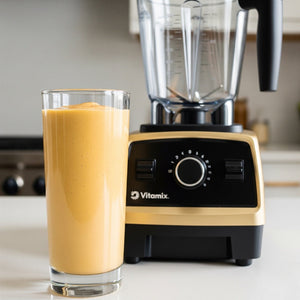
Smoothies were the single most reliable tool in our recovery kitchen. A high-powered blender lets you pack meaningful nutrition into something that requires zero chewing and can be sipped at whatever pace feels tolerable. Not to mention the cold temperature can provide some relief from pain.
How I built our Fab Four Smoothies:
- Protein: A scoop of Be Well Protein ensures 23g+ of complete protein with minimal, high quality ingredients
- Fat: Half an avocado, a tablespoon of almond butter, or a splash of full fat coconut milk
- Fiber: A tablespoon of ground flaxseed, chia seeds, or a handful of frozen cauliflower (I promise it disappears)
- Greens: A small handful of spinach or some frozen cauliflower are completely undetectable in a fruit-flavored smoothie
My husband Chris became a Fab Four smoothie convert during his recovery. Grab his go-to Fab Four Smoothie Recipe right here.
2. Be Well Essential Amino Acids, Daily.
Amino acids are the building blocks of the protein your body is using to repair tissue, and they go down easily stirred into water. Both Chris and Taschen have had a scoop of Be Well Essential Amino Acids every single day of recovery.
3. Soft Scrambled Eggs with Avocado
Eggs are one of the most nutrient-dense recovery foods available. They're rich in protein, choline (critical for tissue repair and nervous system function), vitamins A, D, E, B12, and selenium. Soft-scrambled until just barely set, they require almost no chewing and go down easily.
Pair eggs with avocado for healthy monounsaturated fats, additional fiber, potassium, and satiety. Mash everything together if needed for an even smoother texture.
This was one of Taschen's most reliable recovery meals because it could be served at room temperature, didn't require much effort to eat, and kept him satisfied longer than carbohydrate-only options.
4. Cold Greek Yogurt with Crushed Frozen Raspberries
Cold foods can feel so soothing after tonsil surgery. The cold helps numb the throat and reduce swelling at the surgical site. Greek yogurt is an ideal recovery protein source: a single cup contains 15–20 grams of protein, plus probiotics that support gut health during the immune-stressed post-surgical period. It’s smooth, creamy, and goes down easily.
Crush frozen raspberries over the top for fiber, antioxidants, and a bit of natural sweetness without being irritating or sugary. The cold temp of the frozen berries adds an extra layer of comfort.
Avoid any yogurt with large fruit pieces or granola. Texture matters more than you'd think when healing tissue is involved, and these put you at risk to irritate sutures or cause more pain.
5. Bone Broth
Bone broth is one of my most recommended recovery foods, and it earns that status. It's warm and comforting when cold foods feel like too much, it's hydrating and mineral-rich, it provides easily absorbed protein and glycine, and it contains collagen precursors that directly support wound healing.
When appetite is almost nonexistent, which is often the case the first few days post-surgery, a warm mug of bone broth is a low-barrier way to get in meaningful nutrition. Our family’s favorites are FOND Bone Broth or Brodino.
Sip it plain, or use it as the base for blended soups. Either way, it's working for you.
6. Pureed Soups & Chili
Comfort food absolutely can be healing food. We've done a lot of blended soups, lentil soups, and my Double Protein Chili, which delivers warmth, real protein, fiber, iron, zinc, and B vitamins in one cozy bowl.
Blend it smooth if chewing is still uncomfortable, or leave it slightly textured once swallowing starts to feel more tolerable. Serve at a gentle warm temperature rather than piping hot. Too much heat can irritate healing tissue in the early days.
7. Olive Oil Protein Pasta
Sometimes recovery nutrition is about showing up with something warm and familiar. This is one of those meals. Well-cooked pasta that’s soft enough to require minimal chewing is total comfort recovery food. Drizzle it generously with olive oil for healthy fats and anti-inflammatory oleocanthal, and if possible, add protein to keep it nutritionally meaningful.
Chef’s Kiss Protein Pasta (use code BEWELLBYKELLY) is what we use in our home. It’s naturally high in protein and fiber, and lower in carbohydrates. See it in action in my Lazy Lasagna High Protein One Pan Dinner.
8. Homemade Popsicles aka ‘Healsicles’
Cold is one of the most effective tools you have for managing throat pain and swelling after tonsil surgery. Popsicles make hydration appealing on the days when drinking feels like too much effort, and when you make them yourself you control every ingredient. Grab my Strawberry Mango Amino Acid Popsicle right here, made for healing.
When we need something convenient I reach for Johnny Pops, Electrolyte Good Pops, or locally made sugar-free popsicles. Cold, sugar-free, and easy to tolerate is the goal. The homemade version just lets you pack in real nutrition at the same time.
The No-Straws Rule: Why It Matters More Than You Think
This gets its own section because the stakes are real.
After any oral surgery or tonsillectomy, skip straws completely for the full recovery window. Two weeks minimum.
Drinking through a straw creates suction around the surgical site, and that negative pressure can disturb the fibrin scab that's protecting the healing wound. Dislodging that scab early is one of the leading causes of post-tonsillectomy bleeding.
Use spoons, open cups, and chug-style lids that allow flow without suction. Our go-to was the Yeti Chug Top. It allowed controlled sipping, especially for little ones, with zero suction. It’s easy enough for a post-op child to manage independently.
Write this on a sticky note and put it on the fridge if you need to: No straws.
How I've Set Up Our Home for Healing
Some of the most useful things have nothing to do with a shopping list.
- Sleep propped up at an angle. Taschen is sleeping elevated on extra pillows, head up. Keeping the head raised helps reduce swelling and keeps everything draining the right direction, which matters for comfort and for lowering bleeding risk.
- I'm sleeping right next to him. I've been sleeping in his bed, working from there, so I'm close enough to hear him and check on him through the night. With a recovery where a complication can be quiet, being within arm's reach has mattered.
- Have water always within reach. I keep water on his nightstand so a small sip is never more than a hand away. Small sips, often, beat big glasses that never happen.
Post-Op Recovery Toolkit: Everything We Used and Why
These aren't random product picks. Each one served a specific purpose in our recovery, and I want to explain the "why" behind each so you can make informed decisions for your family.
1. Canopy Mist-Free Evaporative 4-in-1 Humidifier → Shop on Target
After any throat surgery, keeping the airway moist is one of the most important things you can do to support healing and reduce discomfort. Dry air irritates healing tissue, increases nighttime pain, and can cause scabs to dry and crack, which raises the risk of bleeding.
The Canopy is mist-free, which matters: traditional cool-mist humidifiers can harbor bacteria and distribute them into the air. The Canopy filters the water before dispersing it as moisture, runs quietly enough not to disturb sleep, and is genuinely easy to clean. We ran it continuously during the early recovery days, and the difference in morning comfort was noticeable.
2. Lighted Dental Mirror or Standalone Scope → Shop Standalone Scope on Amazon | Shop Dental Mirror on Amazon
This is the tool I feel most strongly about recommending to every parent. Not because you'll need it for a typical recovery, but because when something isn't typical, you need to be able to see what's happening.
A phone flashlight cannot adequately light the back of the throat, and after what we've been through, I want every parent to be able to actually see what is happening.
I bought two: a standalone Anykit Digital Otoscope and a phone-connected one, which works with any iPhone and Android that I've been using daily. You give it camera permissions and it shoots photos straight to your camera roll, so you can document healing day by day and send pictures to your ENT in real time.
What you're looking for:
- White or yellowish scabs: normal, this is the fibrin covering that protects healing tissue
- Bright red patches or fresh red areas: warning sign, call your ENT
- Any fresh blood: emergency, go directly to your ENT or the ER, do not wait
Use this tool after every meal. Every single day. I'll explain why that matters even more in the next section.
3. Tongue Depressors → Shop on Amazon
Simple, inexpensive, and genuinely necessary if you're doing daily throat checks. Tongue depressors give you a clean, controlled way to hold the tongue down for a clear view of the surgical site. Use them alongside your lighted mirror for the best visibility.
Buy a box. You'll use more than you think. For little kids, let them hold a tongue depressor and “pretend” to play doctor on you first. It makes them so much more receptive to when you have to use it on them!
4. Yeti Chug Top → Shop on Amazon
As detailed above: no straws after tonsil surgery. The Yeti Chug Top allows controlled sipping without any suction, is easy to clean, and works for kids and adults alike. We used this for the full two-week recovery window.
5. Popsicle Molds → Shop on Amazon
Cold therapy at the surgical site is one of the most effective and accessible forms of pain management during tonsillectomy recovery. Popsicle molds let you control exactly what goes into the ice pops. This means you get to say no to added sugars, dyes, or ingredients that don't belong in a healing body.
Make a batch before surgery day. You will want them immediately.
6. High-Powered Blender → Shop Vitamix
A high-powered blender is essential for tonsillectomy recovery. You will use it every single day for Fab Four Smoothies, pureed soups, and blended sauces. A standard blender leaves fibrous bits and uneven textures that can be uncomfortable or even painful against healing tissue.
A Vitamix blends everything to a silky smooth consistency. If you don't own one, borrow one from a friend or family member for the recovery window. If you're considering purchasing, this is the use case that converts people into believers.
7. Gel Ice Rollers (Neck and Face-Conforming)
Consistent cold therapy applied to the outside of the neck and jaw reduces swelling and pain significantly, especially in the first several days after surgery. We rotated between two rollers so there was always a cold one ready to go.
Look for gel ice rollers that conform to the shape of the neck and jaw. Wrap in a thin cloth before applying (never directly on skin), and apply for 15–20 minute intervals throughout the day. It makes a huge difference in pain and swelling when used consistently.
8. Red Light Therapy → Shop HigherDose | Shop Lume Box | Shop Bon Charge
Red light therapy uses specific wavelengths of light to support cellular energy production and reduce inflammation at the tissue level.Red light therapy uses specific wavelengths of light to support cellular energy production and reduce inflammation at the tissue level. It has been studied for its role in accelerating wound healing and reducing post-surgical swelling, and it became a consistent part of our recovery routine.
We used three devices across the recovery window. My dentist recommended the Lume Box, which is portable and easy to move around the house, making it practical for a kid who is resting in different spots throughout the day. We also used the HigherDose Red Light face mask and sat in front of the Bon Charge Panel. Twenty minutes a day or ten minutes on each side.
None of these are a replacement for the nutrition, resting, and monitoring that make up the core of recovery. But as an additional layer working in the same direction, red light therapy may be a meaningful complement to standard post-op care. Passive, easy to do while resting, and something I already had as part of my own daily wellness routine before any of this happened.
9. Afrin, On Your ENT's Advice (this one is important)
Afrin is a vasoconstrictor, it constricts blood vessels. When Taschen's bleed started and I sent our ENT photos, he told us to spray Afrin. We didn't have it. The only reason we didn't lose time detouring to a pharmacy is that a neighbor had it and handed it to us as we ran to the car. Get it into your house before you need it, and ask your ENT whether it belongs in your emergency kit and exactly how to use it. Having it on hand is what lets you drive straight to the hospital instead of a CVS.
10. Genexa Pain & Fever
Pain management is a non-negotiable part of tonsil surgery recovery. Staying ahead of it matters more than most people realize. Undertreated pain leads to less drinking, less eating, and slower recovery, so keeping your child comfortable enough to hydrate and intake nutrition is directly tied to how well they heal.
We used Genexa Kids' Pain and Fever (use code BEWELL20) because it’s the cleaner alternative to conventional children's acetaminophen. Same active ingredient, same efficacy, but without the artificial dyes, flavors, and inactive fillers found in most standard children's pain relievers. When your child is already dealing with a healing wound, an active immune response, and a compromised appetite, the last thing you want to add is unnecessary synthetic ingredients on top of it.
Stay on the dosing schedule your ENT recommends, set alarms if you need to, and do not wait until your child is crying to give the next dose. Staying ahead of the pain window is far more effective than trying to catch up to it.
Quick Reference Checklist
Save this before surgery day:
- Canopy Mist-Free Humidifier → Target
- Otoscope → Amazon
- Tongue Depressors → Amazon
- Yeti Chug Top → Amazon
- Popsicle Molds → Amazon
- High-Powered Blender → Vitamix
- Ice Roller → Amazon
- HigherDose Red Light Therapy → HigherDose
- BonCharge Red Light Therapy → BonCharge
- Shop Lume Box → Lume Box
- Afrin (with your ENT's guidance) → Afrin
- Genexa Pain & Fever (liquid) → Genexa
How Adult Recovery Differed
Watching Chris and Taschen heal side by side taught me how differently a grown body and a kid's body move through the same surgery.
Chris ran the exact same playbook: Fab Four recovery foods, my essential amino acids daily, the grass-fed beef protein, bone broth, smoothies, soups, and chili. His one complication was an odor in his mouth that made us think of a possible infection. He wasn't originally sent home on antibiotics (neither of them were). But once he started them, the smell was gone in about 48 hours, his inflammation came down, and we could see his healing improve.
If you're an adult considering one of these procedures for yourself, know that the recovery is real and the same principles apply: protein at every opportunity, relentless hydration, cold for pain, and paying close attention to any change in smell, because odor can signal infection, and infection drives inflammation, which raises bleeding risk.
The Complication: Please Read This
I went back and forth on how much to share. But if this helps one family move faster than the situation tries to let you, it's worth every word.
Ten days after surgery, on May 28th, Taschen had a secondary hemorrhage.
Secondary hemorrhage is delayed bleeding that shows up after the first day, most often between days 5 and 10 and possibly up to about two weeks, when the scab over the tonsil bed naturally begins to separate as new tissue heals underneath. It happens in roughly 3 to 5 percent of tonsillectomies, and some studies put it higher (source, source).
We had a great post-op appointment with Taschen’s ENT two days prior to his secondary hemorrhage. We thought we were through the hardest part.
That Thursday morning, Taschen had some red-tinged saliva. We followed protocol. He gargled, the color cleared, and we called it in. Our ENT put him on antibiotics in case of underlying infection, because infection causes inflammation and inflammation raises bleeding risk. There were no further signs the rest of the day.
That evening, he coughed up what looked like a teaspoon of fresh blood. I sent the ENT photos, he told me to spray Afrin, and I put Taschen in the car and drove straight to the hospital. He was in emergency surgery within 75 minutes. His wounds were cauterized and he received two blood transfusions. His hemoglobin afterward was 5.4.
Here is the part I most need you to understand.
Normally, blood pooling in the stomach triggers nausea, vomiting, dizziness, or a metallic taste. Real, tangible signs that something is wrong. Taschen had none of them. He'd been swallowing the blood instead of spitting it out, which is common in young children who don't know how to do otherwise. His hemoglobin reflected a bleed that had been quietly going on without the warnings most of us are taught to watch for. This is a documented reality with kids, not a fluke, and it's exactly why you cannot rely on the "obvious" symptoms (source).
What this means in practice:
- Use your scope after every single meal, every day, for the full two weeks. Document with photos.
- Watch for repeated or constant swallowing. In a child, that can be the tell that they're swallowing blood, even when nothing else looks wrong.
- Any visible blood, even a small amount, even once, means same-day evaluation. At your ENT or the ER. Not monitoring at home. Not wait-and-see. Go.
- Trust the smell. Healing tissue smells bad, but a change in odor can also mean infection, which raises bleeding risk. If something smells off, call.
- Don't let the absence of "big" symptoms reassure you. With kids especially, calm can be deceiving.
Taschen is okay. We're okay. He's still healing, and his airway is already better for this surgery. I'm not sharing this to scare you. I'm sharing it because informed families make safer, faster decisions, and the speed with which we moved made all the difference.
What I Would Tell Every Parent Before Surgery Day
A few things I wish someone had told me before we walked into that recovery:
- Set up before the day. Have the humidifier running, the popsicle molds filled and frozen, the blender on the counter, and the lighted mirror on the nightstand before you come home from the hospital.
- Plan for 14 days, not 7. The second week is often harder than the first. Scabs are loosening, pain can spike unexpectedly, and families often relax too early. Keep the full protocol going for two weeks minimum.
- Hydration is the whole job. When nothing sounds appealing and swallowing hurts, small sips of something like electrolyte water, bone broth, or a popsicle every 15–20 minutes beats three large glasses that never happen.
- Protein at every meal, even a few bites. Even a few tablespoons of Greek yogurt, a simple Fab Four smoothie, or a few sips of bone broth counts. Small amounts consistently matter more than large amounts sporadically.
- Check the throat every day. No exceptions. This is the habit that gives you information before it becomes an emergency.
- Trust your instincts. If something looks wrong, call. If something looks very wrong, go. The parents who respond fastest have the best outcomes.
Where We Are Now
Two surgeries. Two recoveries. One very long, very educational couple of weeks, and we're still in it.
What I keep coming back to is how hard the body works when it's healing, and how much the right food can support that work. The Fab Four isn't magic. It's structure. It's a way to make sure that even in the middle of a recovering house, every bite is doing something.
I'm grateful for every meal that's gone down easy, every popsicle that bought us an hour of relief, every mug of bone broth that felt like a small act of care. And I'm grateful we moved fast when it counted most.
I'll keep sharing recovery meals, healing nutrition, and updates on how we're doing. If this helped you, save it and send it to another parent heading into surgery. The more of us who go in prepared and informed, the safer our kids are.
*Important Note: This reflects my family's personal experience and my professional framework as a nutritionist. It is not medical advice. Always follow your surgeon's and care team's specific post-operative instructions for your situation, and call them with any concern.
Sources
- ESPEN guideline, Clinical Nutrition in Surgery (post-op protein and energy needs): https://www.espen.org/files/ESPEN-guideline_Clinical-nutrition-in-surgery.pdf
- Comparison of Post-Tonsillectomy Hemorrhage Rate After Different Techniques, systematic review and meta-analysis (incidence): https://www.ncbi.nlm.nih.gov/pmc/articles/PMC12110027/
- RCEMLearning, Post-Tonsillectomy Bleed (timing window): https://www.rcemlearning.co.uk/reference/post-tonsillectomy-bleed/
- CMAJ, Post-tonsillectomy hemorrhage in children (occult bleeding in kids): https://www.cmaj.ca/content/196/41/E1374